

Sperm production is a crucial process in the male reproductive system, and it requires a variety of essential vitamins, minerals, and macronutrients to function correctly. In this blog, we will discuss the top vitamins and minerals that are necessary for healthy sperm production.
Zinc:
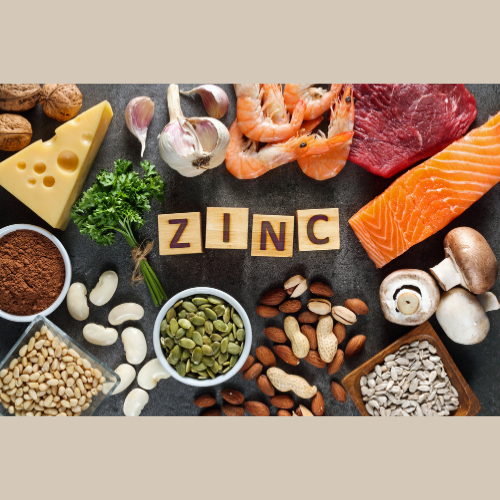
Zinc is one of the most critical minerals for male fertility, as it is an essential component of sperm production. It plays a crucial role in the development and maturation of the sperm, and a deficiency in zinc can lead to a decrease in sperm count and motility. Foods rich in zinc include oysters, beef, lamb, chicken, nuts, and beans.
Selenium:
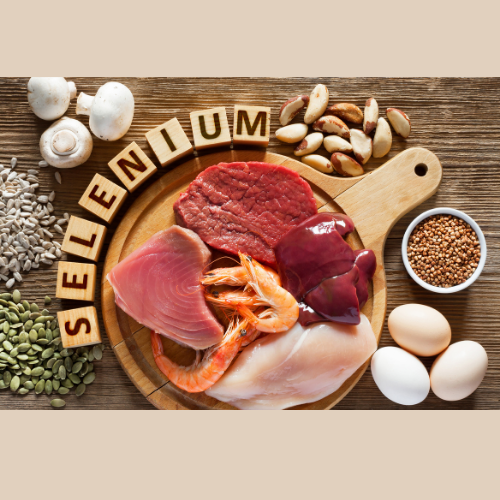
Selenium is another essential mineral for healthy sperm production, as it is involved in the production of DNA and protects the sperm from oxidative damage. A deficiency in selenium can lead to poor sperm motility and abnormal sperm shape. Foods rich in selenium include Brazil nuts, seafood, and whole grains.
Vitamins:
Vitamins also play an essential role in sperm production. Here are some of the most critical vitamins for healthy sperm:
a. Vitamin C:
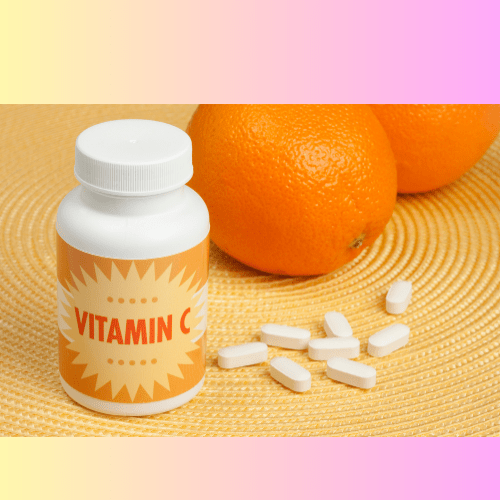
Vitamin C is an antioxidant that helps protect sperm from oxidative damage. It also improves sperm motility and reduces the risk of DNA damage. Foods rich in vitamin C include oranges, strawberries, broccoli, and kiwi.
Vitamin D:
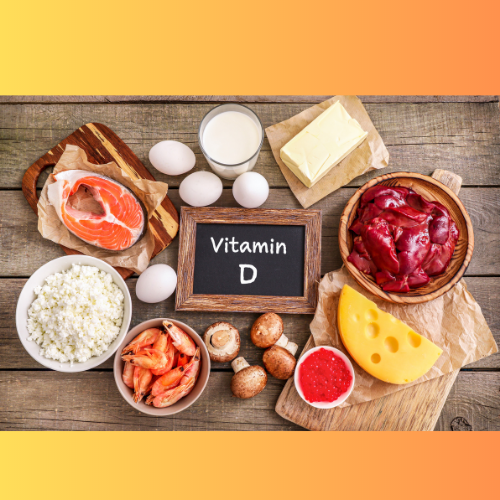
Vitamin D is essential for the development and maintenance of healthy bones, but it also plays a role in sperm production. Low levels of vitamin D have been linked to poor sperm quality and decreased fertility. Foods rich in vitamin D include fatty fish, egg yolks, and fortified dairy products.
Vitamin E
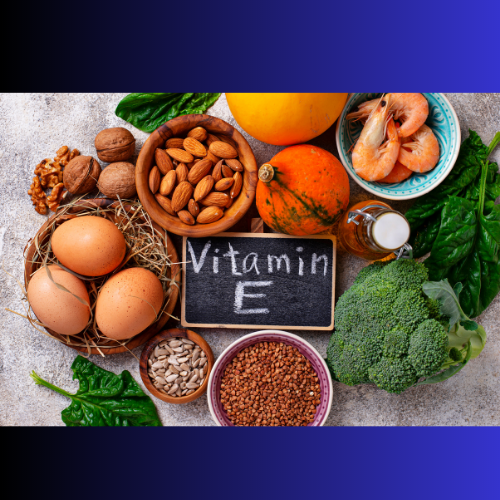
Vitamin E is another antioxidant that helps protect sperm from oxidative damage. It also improves sperm motility and can increase sperm count. Foods rich in vitamin E include nuts, seeds, and leafy greens.
Macronutrients:
Macronutrients are essential for overall health and can also have an impact on sperm production. Here are some of the most critical macronutrients for healthy sperm:
Protein:
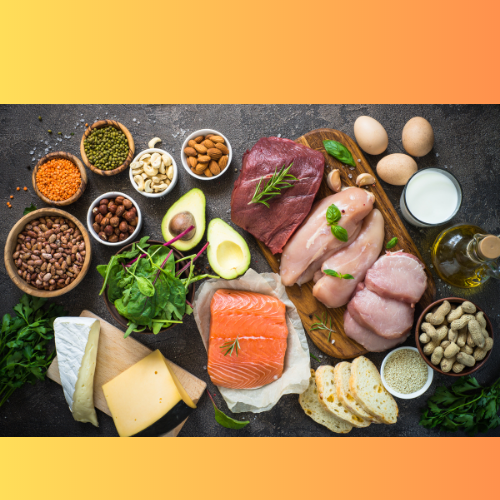
Protein is crucial for the development and maintenance of healthy muscles, but it also plays a role in sperm production. A diet high in protein has been linked to increased sperm count and motility. Foods rich in protein include meat, poultry, fish, eggs, beans, and nuts.
b. Fats:

Healthy fats, such as omega-3 fatty acids, are essential for sperm production. They help improve sperm motility and can also increase sperm count. Foods rich in healthy fats include fatty fish, nuts, and seeds.
c. Carbohydrates:
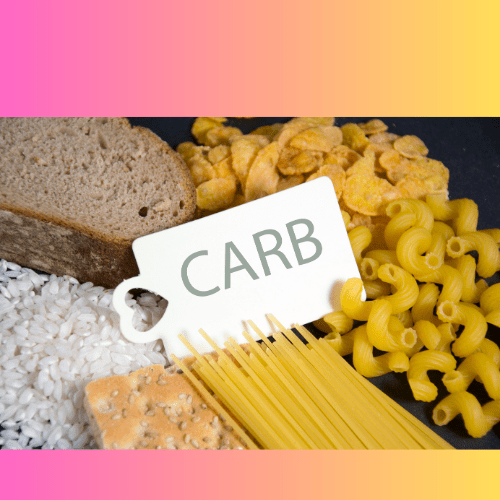
Carbohydrates are an important source of energy for the body, and they also play a role in sperm production. A diet high in refined carbohydrates, however, has been linked to decreased sperm count and motility. Foods rich in complex carbohydrates include whole grains, fruits, and vegetables.
Conclusion:
In conclusion, a diet rich in essential vitamins, minerals, and macronutrients is crucial for healthy sperm production. Zinc, selenium, vitamin C, vitamin D, vitamin E, protein, healthy fats, and complex carbohydrates are all essential nutrients for healthy sperm. By incorporating these nutrients into your diet, you can help ensure that your sperm is healthy and strong.
 The Negative After Effects of Excessive Masturbation