

Myth #1: Masturbation creates fresh blood in the body and throws away dirt
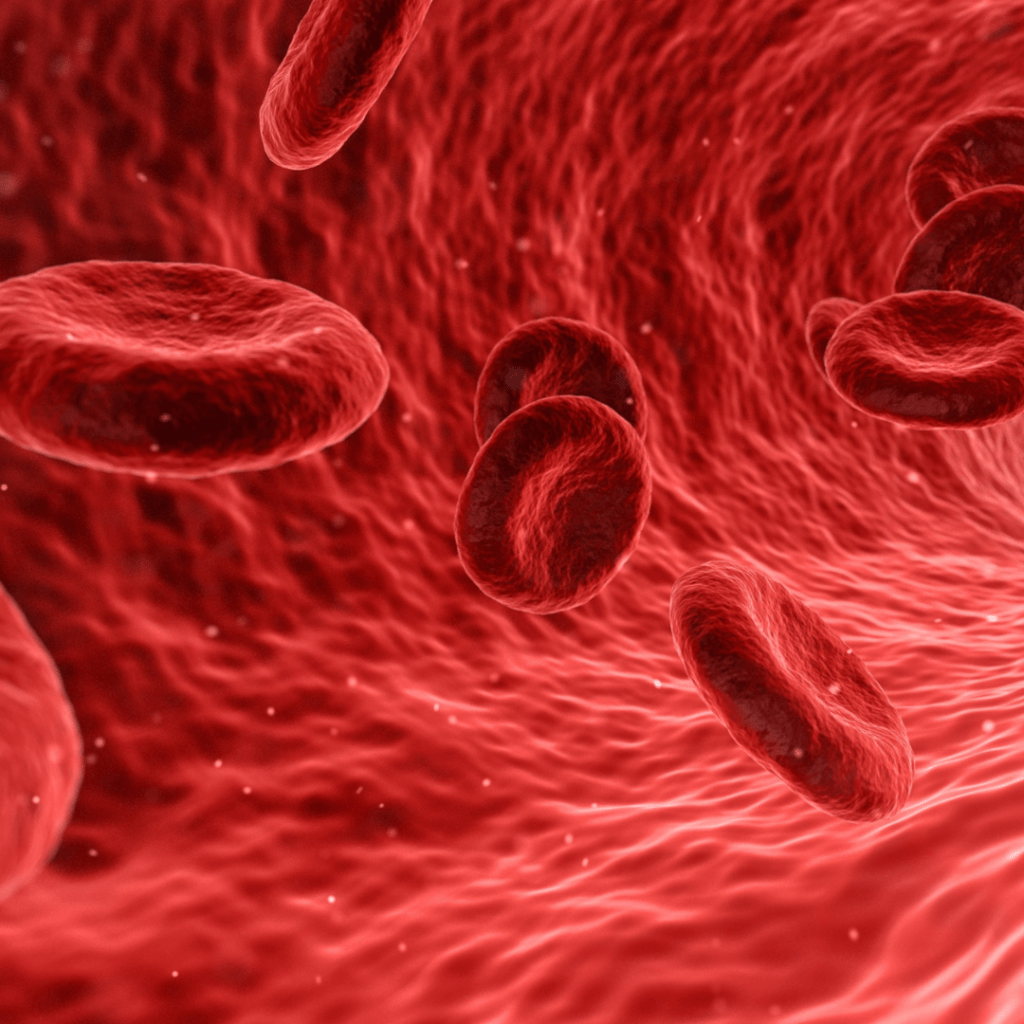
This is a common myth, but there is no scientific evidence to support it. Masturbation does not create new blood or eliminate toxins from the body. Blood is produced by the bone marrow, and toxins are eliminated by the liver and kidneys.
This claim doesn’t make any sense because semen production occurs continuously in the testicles, regardless of whether or not it’s being ejaculated.
Myth #2: Masturbation helps burn calories

While masturbation can increase heart rate and breathing, it is not an effective form of exercise for burning calories. A 2013 study found that the average calorie burn during masturbation was only about 3-4 calories per minute
While sexual activity does require some energy expenditure, it’s not enough to significantly impact weight loss or calorie burning.
Myth #3: Masturbation leads to destructive energy

There is evidence to support the claim that masturbation leads to destructive energy or harms the body in any way. In fact, many health experts believe that regular masturbation can have unhealthy health benefits, including stress and disturbed sleep.
Myth #4: Frequent ejaculation prevents prostate cancer
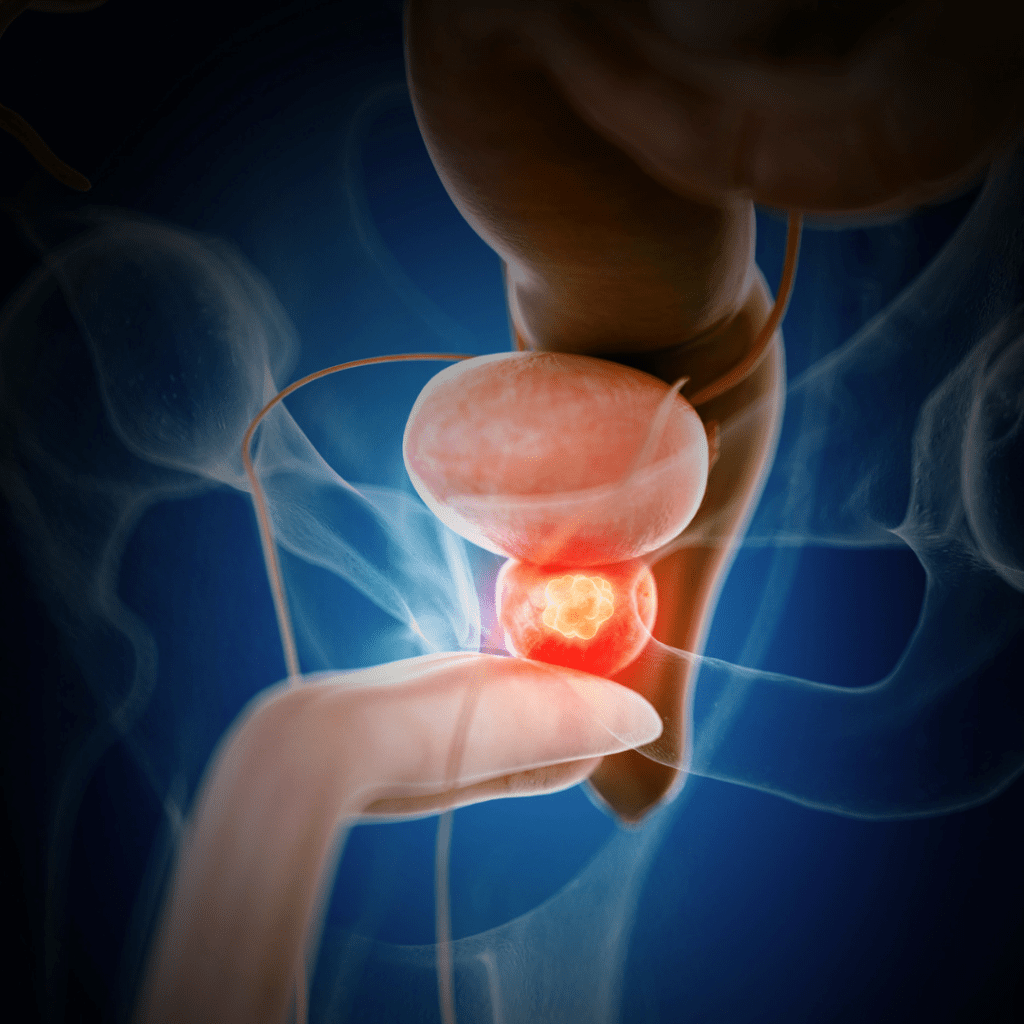
While some studies have suggested that frequent ejaculation may lower the risk of prostate cancer, the evidence is not conclusive. Other factors, such as a healthy diet and exercise, are likely to have a greater impact on prostate cancer risk.
Myth #5: Semen retention is a sexual disorder

Semen retention, or abstaining from ejaculation, is not a disorder. Some people choose to practice semen retention as a form of sexual or spiritual practice, but it is not necessary for good health.
Myth #5:Social dilemma:

Despite the lack of scientific evidence supporting the negative effects of masturbation, some cultures and religions view it as a sin or taboo. This can create a social dilemma for individuals who feel guilt or shame about masturbating, leading to negative psychological effects, and seeking help from a therapist or support group can be beneficial in overcoming any negative feelings associated with it.
Overall, myths about excessive masturbation are often based on outdated cultural beliefs rather than scientific fact. It’s important to approach these claims with skepticism and seek out reliable sources when seeking information about sexual health and wellness. Additionally, social stigma around sexuality may contribute to shame or guilt around masturbating which could lead individuals into believing these myths as truth leading them into social dilemma as well as mental health issues like anxiety and depression which could further affect their overall wellbeing if left unaddressed.
 The Negative After Effects of Excessive Masturbation