


In today’s digital era, social media has become an integral part of our lives, significantly influencing various aspects of society, including the behavior and attitudes of young individuals. One topic that requires attention in this context is the impact of social media on adolescent masturbation. As adolescents increasingly engage with social media platforms, it is essential to explore how this revolution has shaped their perceptions, attitudes, and behaviors related to masturbation. This blog aims to shed light on the subject, examining both the positive and negative consequences of social media on adolescent masturbation and providing guidance for parents and guardians to address the issue effectively.
Understanding Adolescent Masturbation:

Masturbation is a natural part of human sexuality, and it is common for adolescents to explore their bodies and experience sexual feelings during their journey towards adulthood. It is crucial to approach the subject with empathy, understanding, and without judgment. However, it is equally important to consider the potential impact of social media on adolescent masturbation.
Positive Aspects of Social Media:
Access to Information: Social media platforms provide adolescents with opportunities to seek information and education about sexual health and well-being. When used responsibly, social media can offer a platform for open discussions, allowing teenagers to learn about their bodies, consent, safe practices, and respectful relationships.
Community Support: Online communities and forums dedicated to sexual health can provide a safe space for teenagers to ask questions, share experiences, and receive support from peers who may be going through similar situations. These communities can offer guidance and foster positive discussions around masturbation, promoting a healthy understanding of sexuality.
Negative Aspects of Social Media:
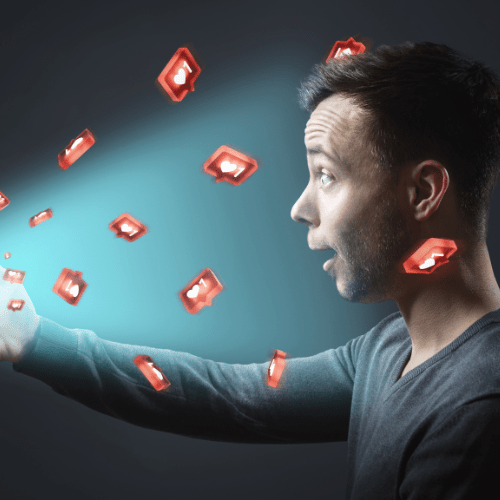
Unrealistic Expectations:
Social media often presents an idealized version of sexuality, with carefully curated images and content that can create unrealistic expectations for adolescents. Constant exposure to unrealistic body standards, sexualized content, and pornographic material can distort their perception of what is considered normal or healthy, leading to potential issues with self-esteem and body image.
Addiction and Escalation:
Excessive use of social media, particularly when it comes to sexual content, can lead to addiction and desensitization. Continuous exposure to explicit material may result in a need for more explicit or extreme content to achieve the same level of satisfaction, potentially impacting an adolescent’s sexual development and might hurt others.
Lack of Privacy and Consent:
Social media platforms are not immune to privacy breaches and the sharing of explicit content without consent. Adolescents may unknowingly share intimate images or videos, which can be manipulated, shared without permission, or used for exploitation. This can have severe psychological consequences, leading to shame, anxiety, cyberbullying and even sextortion
Addressing the Issue:
Open Communication: Parents and guardians should establish an open and non-judgmental line of communication with their adolescents regarding sexuality and social media. Encourage discussions about healthy relationships, consent, and the potential impact of social media on their perception of sexuality.
Digital Literacy: Teach adolescents about responsible social media use, online safety, and the importance of critically evaluating the content they encounter. Emphasize the distinction between reality and the idealized portrayals often found on social media platforms.
Parental Controls: Utilize parental control software or settings to monitor and limit access to explicit content. These tools can help create a safer online environment for adolescents while still respecting their privacy.
Seeking Professional Help: If concerns about an adolescent’s masturbation habits arise, it may be helpful to seek guidance from healthcare professionals or therapists who specialize in adolescent sexual health. They can provide support and address any potential issues that may have emerged due to social media exposure.
Conclusion:
The social media revolution has undoubtedly influenced the way adolescents perceive and engage with masturbation. While there are positive aspects, such as access to information and supportive communities, there are also negative consequences, including unrealistic expectations and potential addiction. It is essential for parents, guardians, and society as a whole to acknowledge and address these issues.
Remember, discussions surrounding adolescent masturbation should always be approached with empathy, understanding, and a focus on promoting healthy attitudes and behaviors. By working together, we can help young individuals harness the benefits of social media while mitigating its potential negative effects, ensuring their overall well-being and sexual development.
 The Negative After Effects of Excessive Masturbation
This is a well-written and informative article that sheds light on a topic that is often not discussed openly. The authors provide a balanced view of the impact of social media on adolescent masturbation, discussing both positive and negative aspects, and offering practical guidance for parents and guardians. It is a helpful resource for those looking to have open discussions around adolescent sexuality in the digital age.
founder of balance thy life https://balancethylife.com
LikeLike