


Sexual health is an essential aspect of a person’s overall well-being, and it’s important to address any concerns or questions related to it. Two commonly misunderstood topics are wet dreams and spermatorrhoea. In this blog post, we will explore these phenomena, debunk myths surrounding them, and provide insights into their causes and potential treatments.
Wet Dreams:
Wet dreams, also known as nocturnal emissions or “sleep orgasms,” refer to involuntary ejaculation during sleep. They typically occur during adolescence and can continue into adulthood. Despite being more prevalent in males, wet dreams can also happen to females.
Causes:
The main cause of wet dreams is the body’s natural response to sexual arousal during sleep. During dreams or even non-sexual dreams, the brain can trigger sexual arousal, leading to increased blood flow to the genital area and subsequent ejaculation.
Debunking Myths:
a) Wet dreams are not signs of an underlying illness or disease. They are a normal physiological response.
b) Wet dreams do not result from watching sexual content or having impure thoughts. They are natural and unrelated to a person’s moral or ethical values.
c) Wet dreams do not cause any harm to one’s physical or mental health.
Dealing with Wet Dreams:
While wet dreams are natural and don’t require treatment, some individuals may feel embarrassed or uncomfortable about them. Here are a few tips to cope:
•Maintain good hygiene practices.
•Use absorbent materials, such as cotton underwear, to minimize discomfort.
•Practice relaxation techniques to reduce stress and anxiety.
•Engage in open communication with trusted individuals, such as parents, friends, or healthcare professionals, to gain support and reassurance.
Spermatorrhoea:
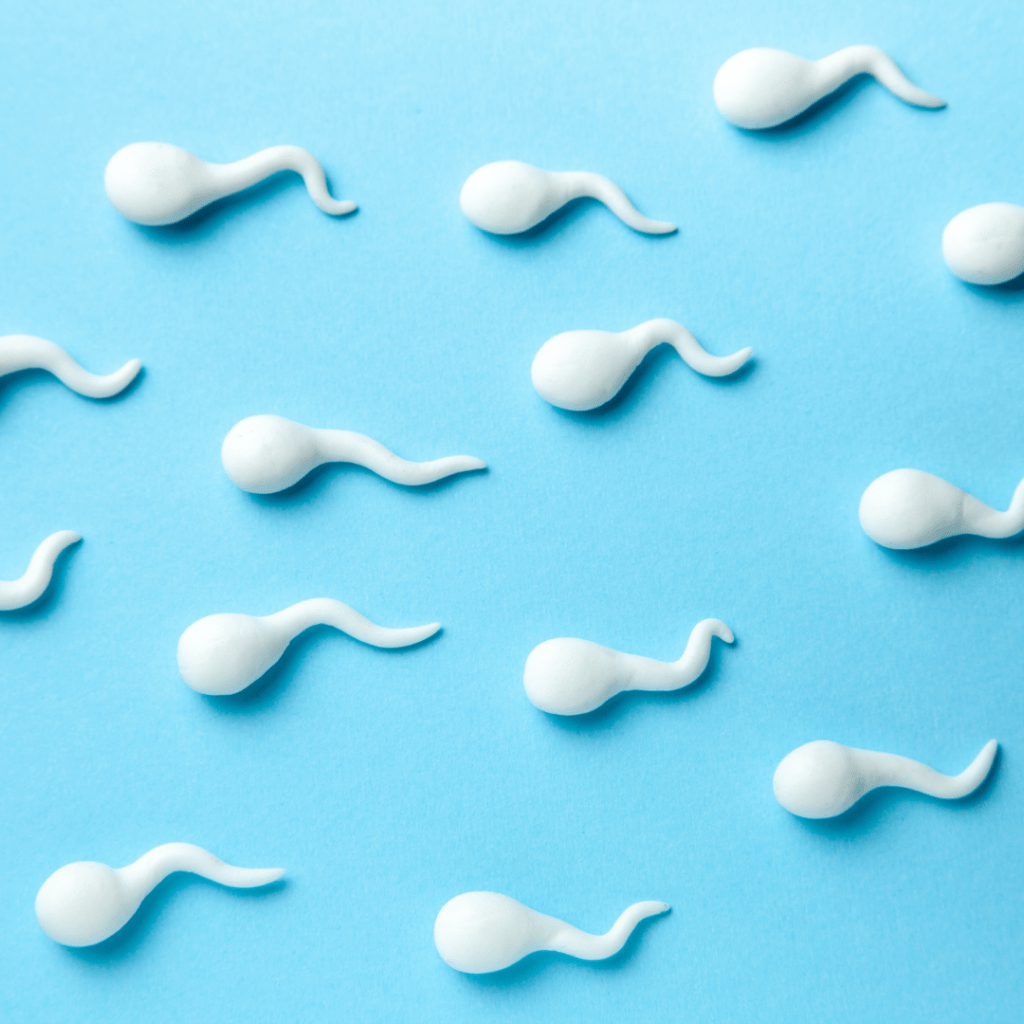
Spermatorrhoea refers to an excessive or involuntary loss of semen without sexual stimulation, typically outside of sexual activity or wet dreams. This condition is often associated with feelings of weakness, fatigue, and anxiety.
Causes:
Spermatorrhoea can have various causes, including:
a) Sexual excitement and arousal without ejaculation: Prolonged sexual arousal without ejaculation can lead to involuntary semen leakage.
b) Prostate gland issues: Inflammation or infection of the prostate gland can result in semen leakage.
c) Weak pelvic muscles: Weakness in the pelvic muscles can contribute to the involuntary release of semen.
d) Emotional factors: Stress, anxiety, and depression can indirectly contribute to spermatorrhoea by affecting the body’s hormonal balance.
Debunking Myths:
a) Spermatorrhoea is not always a sign of a serious underlying medical condition.
b) It is not caused by excessive masturbation or engaging in sexual thoughts.
c) There is no scientific evidence linking spermatorrhoea to infertility.
Treatment Options:
Treatment for spermatorrhoea primarily depends on its underlying cause. Some possible interventions include:
Addressing any underlying infections or inflammations.
Practicing stress management techniques like meditation or counseling.
Strengthening the pelvic floor muscles through exercises, such as Kegels.
In some cases, medication or herbal supplements may be prescribed by a healthcare professional.
Wet dreams and spermatorrhoea are natural occurrences that may cause confusion or concern for individuals experiencing them. By understanding the causes, debunking myths, and exploring potential treatments, we can alleviate anxiety and promote a healthier understanding of sexual health. Remember, open communication with healthcare professionals or trusted individuals is crucial in addressing any concerns related to these phenomena and maintaining overall well-being.
 The Negative After Effects of Excessive Masturbation