

Have you ever woken up in the morning feeling uncomfortable and bloated? It’s not a pleasant experience and can put a damper on your day. While bloating can be caused by various factors, including digestive issues and food intolerances, the foods you eat before bed can significantly contribute to this discomfort. In this blog post, we’ll explore five foods you should avoid at night to prevent waking up with a bloated belly.
Carbonated Drinks:

Carbonated drinks such as soda, sparkling water, and even certain energy drinks can lead to bloating. These beverages contain carbon dioxide, which creates gas and distends the stomach. Additionally, many carbonated drinks are high in sugar or artificial sweeteners, which can further exacerbate bloating. To prevent bloating, opt for still water, herbal tea, or infused water instead.
Cruciferous Vegetables:
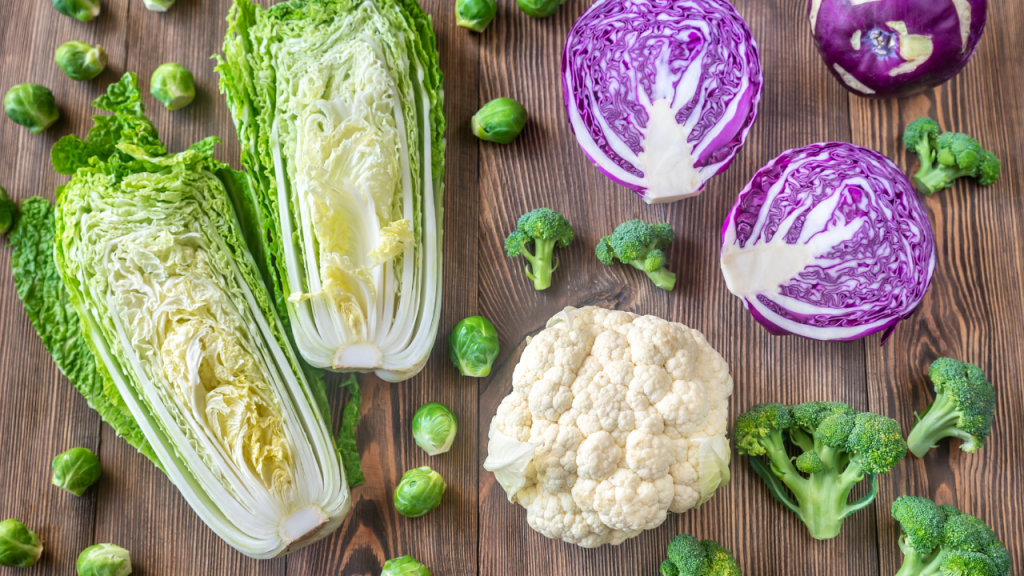
While cruciferous vegetables like broccoli, cauliflower, and Brussels sprouts are packed with essential nutrients, they can also cause bloating and gas due to their high fiber content. The fiber in these vegetables is not easily digestible, leading to fermentation in the gut, which can result in bloating. If you’re prone to bloating, it’s best to consume these vegetables earlier in the day, allowing your digestive system ample time to process them.
Legumes:
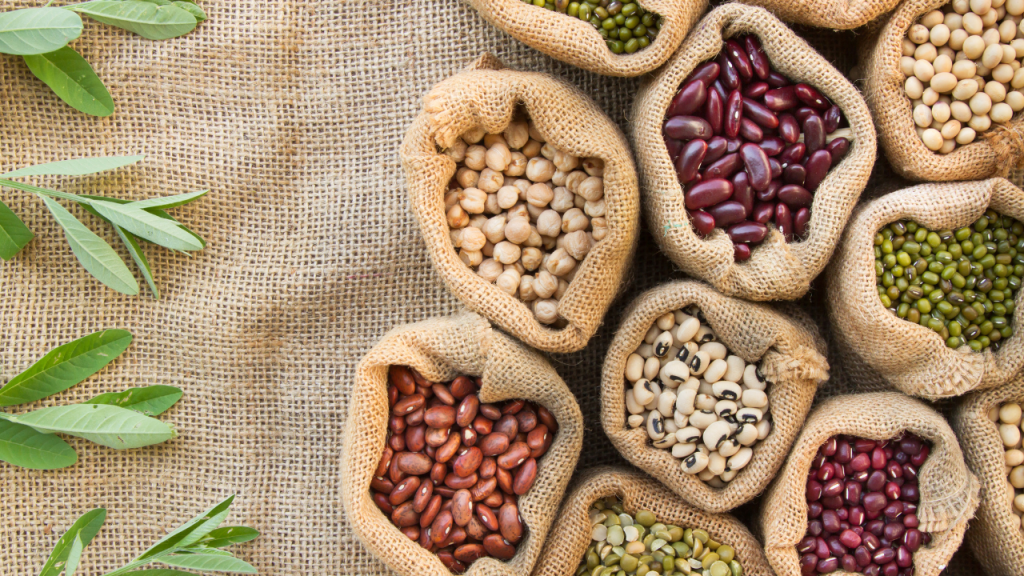
Beans, lentils, and chickpeas are excellent sources of protein, fiber, and other nutrients. However, they contain complex carbohydrates called oligosaccharides, which are difficult for our bodies to break down. As a result, they can cause gas and bloating. If you enjoy legumes, try to consume them in smaller portions and consider soaking or sprouting them before cooking, as this can make them easier to digest.
Fatty and Fried Foods:
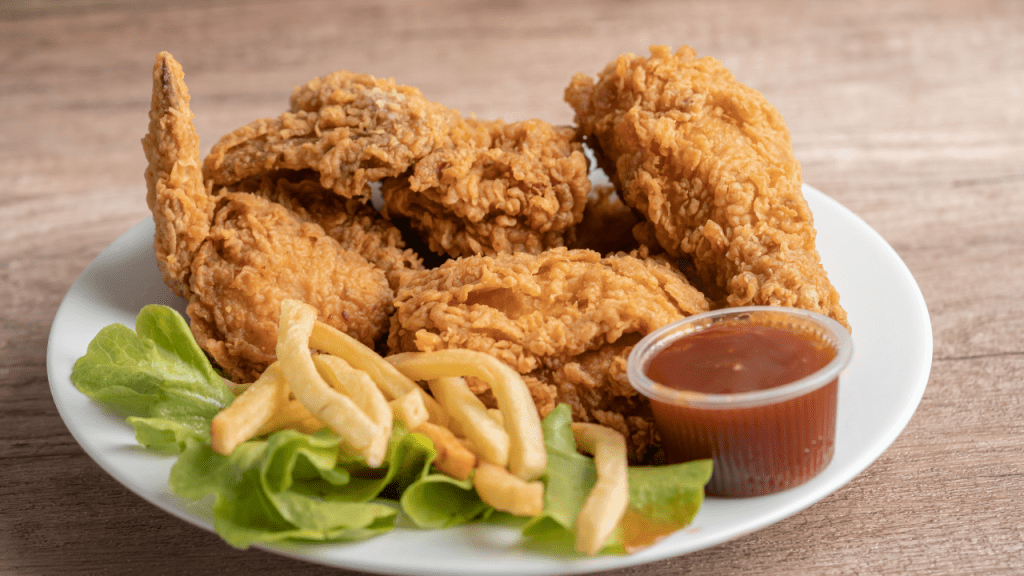
Indulging in greasy, fried foods before bedtime can lead to discomfort and bloating. High-fat foods take longer to digest, slowing down the overall digestive process and increasing the likelihood of bloating. Additionally, fatty foods can relax the lower esophageal sphincter, allowing stomach acid to flow back up, causing heartburn and further bloating. Instead, opt for lighter, easily digestible options like lean proteins and steamed vegetables.
High-Sodium Foods:
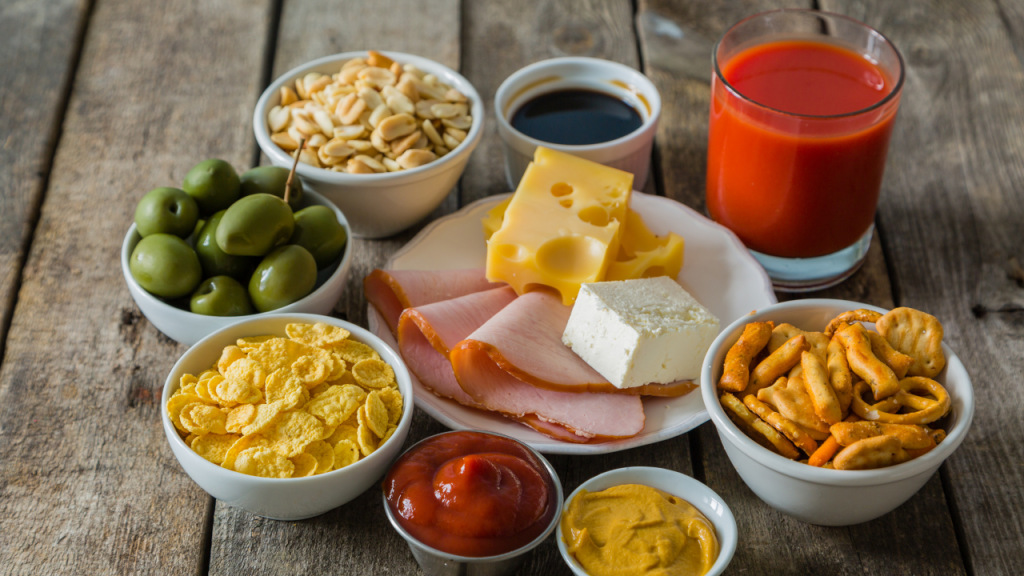
Foods high in sodium, such as processed snacks, fast food, and canned soups, can contribute to bloating. Sodium causes water retention, which can lead to a puffy and bloated appearance. Avoid consuming excessive amounts of salt in the evening to minimize bloating. Instead, try seasoning your meals with herbs, spices, or natural alternatives like lemon juice to enhance flavor.
By being mindful of your food choices before bedtime, you can reduce the likelihood of waking up with a bloated belly. Avoiding carbonated drinks, cruciferous vegetables, legumes, fatty and fried foods, as well as high-sodium options, can significantly alleviate bloating and promote better digestion. Remember to listen to your body and make adjustments based on your personal tolerance levels. Additionally, maintaining a balanced diet, staying adequately hydrated, and engaging in regular physical activity can further support a healthy digestive system. Prioritize your well-being by choosing foods that promote comfort and good digestion, ensuring a restful night’s sleep and a bloat-free morning.
 The Negative After Effects of Excessive Masturbation